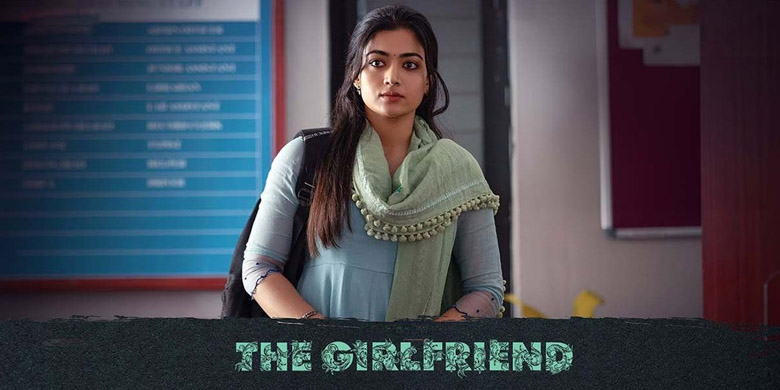
Bhooma Devi (Rashmika Mandanna) arrives in Hyderabad to pursue her MA, hoping for a fresh start. She meets Vikram (Dheekshith Shetty) at college and falls for him, initially charmed by his attentiveness. But as their relationship deepens, Bhooma realises Vikram’s behaviour turns possessive and toxic, costing her friendship, peace and eventually her own identity. The crux of the story explores how she responds, fights back and decides what she will and will not accept: a theme that promises emotional heft even while relying on familiar romance-thriller tropes.
The opening reels of the film are reasonably comfortable: college life, budding romance, gentle banter and the usual meet-cute dynamics set the tone. Rashmika’s portrayal is poised and gradual, while Dheekshith’s transformation from admirer to something darker begins subtly. The first half works because of the chemistry and the set-up: a girl’s innocence versus a boy’s changing mask. But even here the pace is leisurely, and the narrative holds back rather than grabbing you by the throat.
Post interval, the film’s rhythm dips. What began as a relatable romance drifts into heavier emotional terrain, but the handling becomes less engaging. The thematic shift, showing Bhooma’s entanglement, her father’s disapproval (Rao Ramesh), her isolation – has potential, yet several sequences feel repetitive and logic stretches show up, especially in the hostel/college set-up. The climax does deliver a subdued catharsis, but the build-up lacks the tautness the subject warrants.
Rashmika Mandanna stands out. This is her film: she inhabits Bhooma with conviction, subtlety and a strong emotional core; her expressions and timing anchor the viewer.
Dheekshith Shetty, in a negative-leaning role, shows range and manages to unsettle when required. Rao Ramesh and Rohini register in the supporting slots, though their characters could have been better fleshed out. Anu Emmanuel’s role doesn’t quite connect, feeling under-used.
Directed by Rahul Ravindran, the film takes on a socially relevant theme of emotional abuse and toxic relationships, which is commendable. The cinematography (by Krishnan Vasant) and background score (Prashanth R Vihari) contribute positively in key moments. The editing (by Chota K Prasad) could have been tighter, and the screenplay suffers from pacing issues and some repetitive scenes. Music (Hesham Abdul Wahab) has pleasant moments but doesn’t linger beyond.
On paper, The Girlfriend aims higher than a typical romance and is anchored by a strong lead performance and a relevant theme. But in execution, it pays the price for uneven narrative rhythm, moments of predictability and underutilized structural energy. If you value performances and subject-matter over brisk storytelling, you’ll find merit here. But for those seeking a tightly wound thriller or a wholly engrossing romantic drama, this one only partially satisfies.